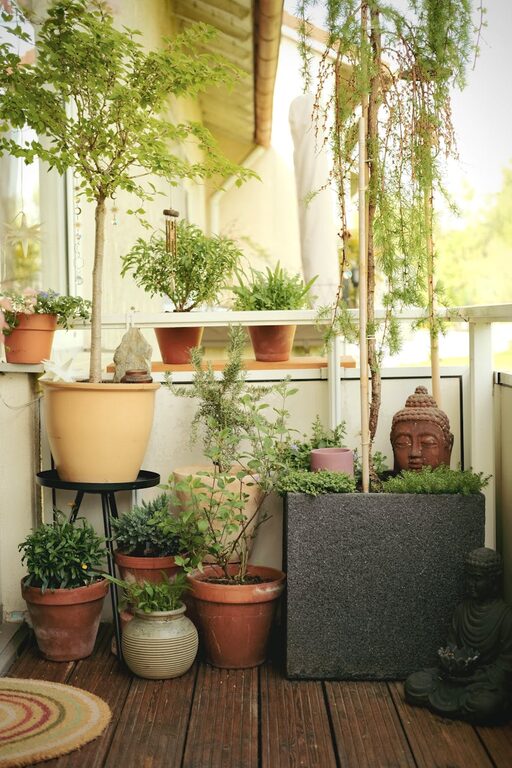
Creating a relaxing home garden space is a wonderful way to invite tranquillity and natural beauty into your daily life. Whether you have a large garden or a small balcony, a thoughtfully designed outdoor area can become your personal sanctuary — a place to unwind, de-stress, and enjoy fresh air. If you’re wondering how to transform your outdoor space into a peaceful retreat, here are some useful tips to guide you.
Plan Your Space Thoughtfully
Before planting or adding furniture, take some time to plan your garden layout. Consider how you want to use the space and what makes you feel most relaxed. Do you want a cosy seating area, a reading nook, or perhaps a space for gentle exercise like yoga?
– Measure your garden and sketch a simple plan.
– Identify sunny and shady spots to decide where to place plants or seating.
– Think about privacy — screens, hedges, or trellises can help create a sheltered, intimate feel.
A clear plan helps you make the most of your garden and ensures every element contributes to relaxation.
Choose Soothing Colours and Plants
Colours and plants have a big impact on the garden’s atmosphere. Calm tones like soft greens, blues, and pastels can promote relaxation. When selecting plants, consider those that are easy to care for and provide year-round interest.
– Evergreens add greenery even in colder months.
– Lavender, jasmine, and rosemary are fragrant plants that can soothe the senses.
– Grasses and ferns create gentle movement with the breeze, adding to the serene mood.
– Incorporating flowers like daisies, hydrangeas, or bluebells brings spots of colour without being overwhelming.
Try to avoid overcrowding your garden; a clean, uncluttered design invites calm.
Include Comfortable Seating Areas
A key part of a relaxing garden is a comfortable place to sit or lounge. Choose furniture that suits your style and promotes comfort.
– Opt for chairs with cushions or weatherproof lounge chairs.
– Adding a small table makes it easy to enjoy a drink or book outside.
– Consider a hammock or swinging chair for a soothing rocking motion.
– Use outdoor rugs and throws to make the space feel cosy and inviting.
Position seating where you can enjoy good views, such as near flower beds or with a glimpse of the sky.
Create Natural Soundscapes
Sound can greatly influence how relaxing your garden feels. The gentle rustling of leaves, birdsong, or running water add peaceful background noise that masks urban sounds.
– Install a water feature such as a small fountain or pond to create calming water sounds.
– Plant native shrubs and trees that attract birds and wildlife.
– Avoid loud, harsh sound elements, favouring subtle natural sounds instead.
These natural soundscapes promote mindfulness and relaxation when you spend time outdoors.
Use Lighting to Enhance Atmosphere
Soft lighting extends the usability of your garden into the evening and creates a warm, welcoming ambience.
– Solar-powered lanterns or string lights are easy to install with no wiring needed.
– Place lights along pathways or around seating areas for safety and mood.
– Consider candles or fairy lights for a gentle glow on warm nights.
– Avoid harsh or overly bright lighting, which can disrupt the tranquil atmosphere.
Subtle illumination invites you to enjoy the garden long after sunset.
Incorporate Elements of Nature and Art
Adding natural elements and artistic touches can deepen your connection with the garden and make it more pleasing to the eye.
– Use stones, pebbles, or driftwood to add texture and variety.
– Install garden sculptures or wind chimes that reflect your personal taste.
– Raised beds or planters create varied levels and visual interest.
– Bird feeders and baths invite wildlife, providing gentle natural entertainment.
These details enrich your garden experience and promote a sense of harmony.
Maintain a Tidy and Inviting Space
A relaxing garden feels effortless, so keeping it well-maintained is important. Regular tidying prevents clutter and helps plants thrive.
– Remove dead leaves and spent flowers.
– Prune overgrown bushes to keep paths clear.
– Check furniture and fixtures for wear and clean them periodically.
– Keep pathways free from moss or debris for safe walking.
An organised garden encourages you to spend time outdoors without distractions.
Consider Your Garden's Microclimate
Understanding your garden’s microclimate can help you choose suitable plants and features.
– Observe how sunlight moves over the day and seasons.
– Notice wind patterns and create windbreaks if necessary, using fences or tall shrubs.
– Assess soil type and drainage to help plants flourish.
By working with your garden’s natural conditions, you create a space that feels balanced and comfortable year-round.
Final Thoughts
Designing a relaxing home garden space is not about perfection, but about creating a place that feels peaceful and welcoming to you. By planning thoughtfully, choosing calming colours and plants, including comfortable seating, and adding natural sounds and soft lighting, you can turn your outdoor area into a restorative retreat.
Whether it’s morning meditation, afternoon reading, or evening chats under the stars, your relaxing garden will become a special spot to enjoy nature’s calming embrace. So take your time, be creative, and most importantly, enjoy the process of making your garden your sanctuary.
About the Author