Creating a productive home office environment is key to maintaining focus and motivation when working from home. Whether you’re a full-time remote worker or occasionally working from home, having a dedicated space designed to support your productivity can make a significant difference. Here, we share practical tips to help you create an efficient and comfortable home office that suits your needs.
Choose the Right Location
Find a Quiet Spot
Select a location in your home that is quiet and has minimal distractions. This could be a spare room, a corner in the living room, or even a converted closet. The goal is to have a space away from household noise where you can concentrate.
Consider Natural Light
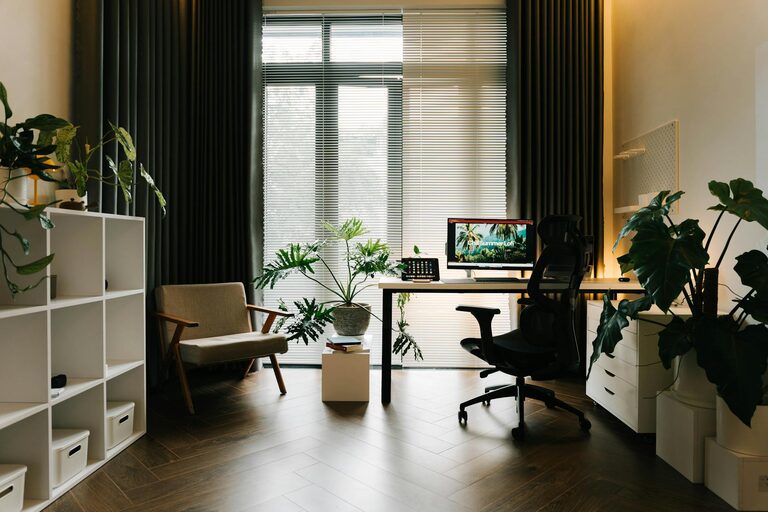
If possible, position your desk near a window to benefit from natural light. Natural daylight helps reduce eye strain and boosts mood and alertness. However, be mindful of glare on your screen and adjust your blinds or curtains accordingly.
Invest in Comfortable and Ergonomic Furniture
Ergonomic Chair
An ergonomic chair with adjustable height and lumbar support is crucial for maintaining good posture and avoiding back pain during long working hours.
Desk Height
Choose a desk at the right height so that your arms rest comfortably at a 90-degree angle while typing. A standing desk or adjustable desk can also be a good option if you prefer alternating between sitting and standing.
Desk Space
Ensure your desk has enough surface area for your computer, paperwork, and any other essentials without feeling cluttered.
Organise Your Workspace Effectively
Declutter Regularly
Keep your desk tidy by removing unnecessary items. A clutter-free space helps reduce stress and improves concentration.
Storage Solutions
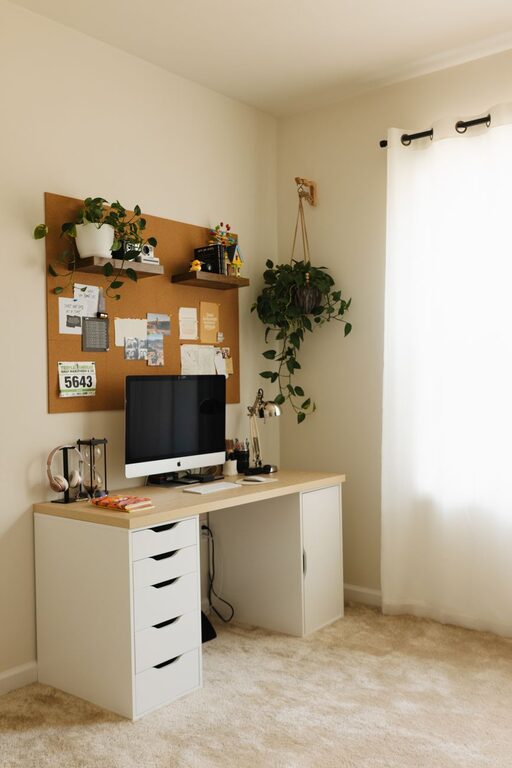
Use shelves, drawers, or storage boxes to keep documents and supplies organised and out of the way when not in use.
Essential Tools Within Reach
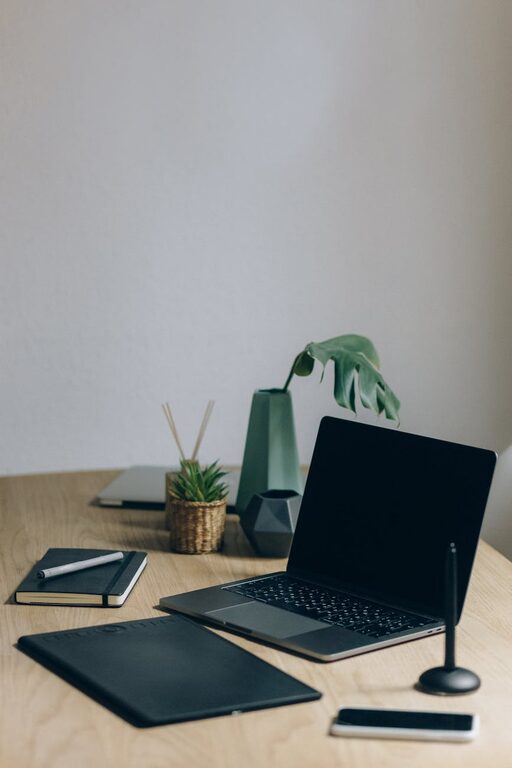
Keep frequently used items such as pens, notebooks, and chargers within arm’s reach to avoid interrupting your workflow.
Create a Comfortable Atmosphere
Temperature and Ventilation
Maintain a comfortable room temperature and ensure there is fresh air circulation. A stuffy or overly warm room can decrease productivity and cause discomfort.
Personal Touches
Add a few personal items like plants, photos, or artwork to create a welcoming environment. Plants, in particular, can enhance air quality and add a sense of calm.
Lighting
In addition to natural light, have quality artificial lighting that doesn’t cause eye strain. Consider using a desk lamp with adjustable brightness to complement overhead lighting.
Minimise Distractions
Set Boundaries
Inform family or housemates about your working hours and ask for their cooperation in maintaining a quiet environment during those times.
Manage Digital Distractions
Turn off non-essential notifications on your computer and phone. Consider apps or browser extensions that block distracting websites during work hours.
Noise Control
If external noise is unavoidable, use noise-cancelling headphones or play soft background music or white noise to maintain focus.
Establish a Routine and Workspace Habits
Set Working Hours
Stick to a consistent schedule to help separate work time from home time. This establishes a clear routine and makes it easier to switch off after work hours.
Take Regular Breaks
Use techniques like the Pomodoro method — work for 25 minutes, then take a 5-minute break. Regular breaks help maintain energy levels and reduce fatigue.
Keep Hydrated and Snack Smartly
Have water and healthy snacks nearby to stay hydrated and energised throughout the day.
Utilise Technology Wisely
Reliable Internet Connection
Ensure your internet connection is stable and fast enough to support any video calls, uploads, or downloads.
Quality Equipment
Invest in good quality computer peripherals such as a comfortable keyboard, mouse, and headset. These small improvements can make working more enjoyable and efficient.
Backup Your Work
Regularly back up important files to avoid data loss. Use cloud storage or external drives for added security.
Personalise Your Productivity Strategies
Define Your Priorities
Make daily to-do lists or use productivity apps to organise your tasks. Prioritise important and time-sensitive work to manage your time effectively.
Experiment and Adjust
Everyone has different working preferences. Don’t be afraid to try different setups or routines to find what suits you best.
—
Creating a productive home office is about combining comfort, organisation, and a positive atmosphere that supports your working style. By investing time to set up your space thoughtfully, you can improve your focus and enjoy a more satisfying work-from-home experience.
About the Author