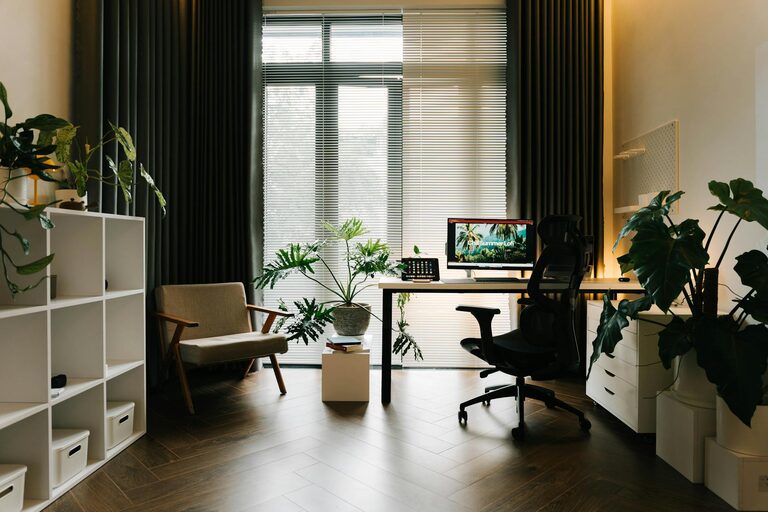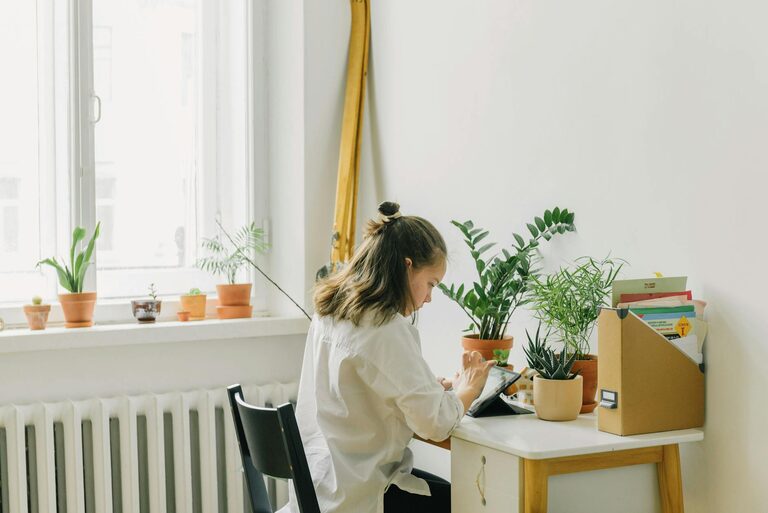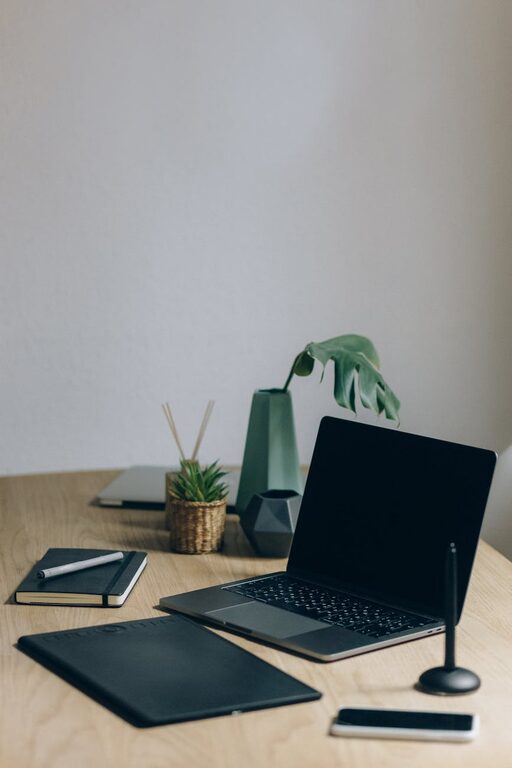
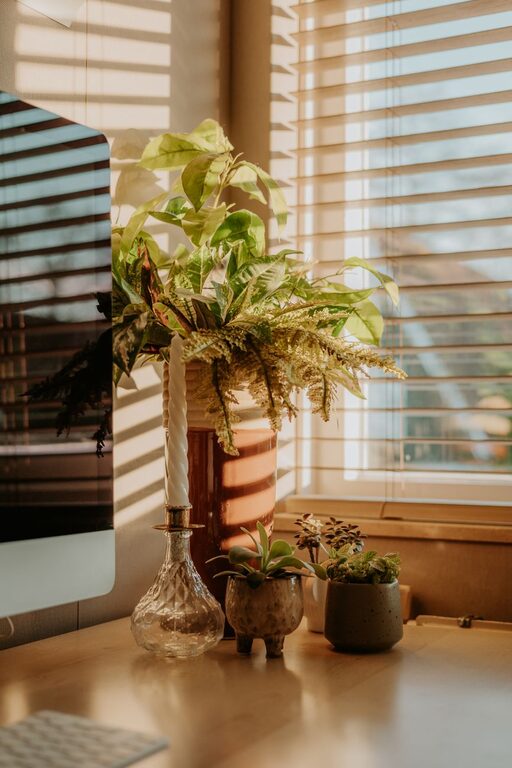
Creating a home office that balances productivity and relaxation is essential for working effectively from home. A well-designed workspace can help you focus, reduce stress, and maintain a healthy work-life balance. Whether you have a dedicated room or a small corner in your home, these tips will help you create a home office environment where you can thrive.
Choose the Right Location
The first step is selecting the perfect spot for your home office. Ideally, choose a quiet area with minimal distractions, away from high-traffic zones like the living room or kitchen.
– Natural light: Position your desk near a window to benefit from natural light, which can improve mood and energy levels.
– Privacy: If possible, pick a space where you can close a door to separate work from home life.
– Space: Ensure there’s enough room for your desk, chair, and any equipment you need.
Invest in Comfortable and Functional Furniture
Comfort is key to staying focused and avoiding fatigue.
– Ergonomic chair: Choose a chair that supports your posture, with adjustable height and lumbar support.
– Appropriate desk: Select a desk that fits your space and provides enough room for your computer, documents, and other essentials.
– Storage solutions: Use shelves, filing cabinets, or organisers to keep your workspace tidy.
Declutter and Organise
A clutter-free workspace promotes clear thinking and efficiency.
– Daily tidy-up: Spend a few minutes at the end of each day putting things away.
– Limit items on desk: Only keep immediate necessities within reach.
– Use organisers: Drawer dividers, trays, and holders can help keep stationery and paperwork in order.
Optimise Lighting
Good lighting reduces eye strain and improves focus.
– Layered lighting: Combine natural light with overhead lights and a desk lamp.
– Adjustable lamp: Use a lamp that can be directed where needed, with warm white bulbs for comfort.
– Avoid glare: Position screens and lights to reduce reflections.
Personalise Thoughtfully
Personal touches make your office inviting but should not cause distraction.
– Plants: Adding greenery can boost mood and air quality.
– Artwork: Hang a few inspiring or calming pictures.
– Scent: Use subtle scents like lavender or eucalyptus to promote relaxation, but keep it light.
Create Boundaries Between Work and Rest
Separating work time from relaxation helps maintain wellbeing.
– Set work hours: Decide when you start and finish your day.
– Use a dedicated workspace: Avoid working from the sofa or bed.
– End-of-day routine: Clear your desk and switch off devices to signal the end of work.
Manage Technology Wisely
Technology is vital but can be overwhelming without organisation.
– Cable management: Use clips or sleeves to keep cables tidy.
– Essential devices: Only keep items necessary for your work in the room.
– Regular breaks: Use reminders to look away from screens and stretch.
Incorporate Relaxation Elements
Taking short breaks in a calming environment can refresh your mind.
– Comfortable seating: Include a chair or small sofa for breaks.
– Mindfulness area: Consider a small corner for meditation or deep breathing exercises.
– Soothing colours: Choose calming paint colours like soft blues, greens or neutrals.
Utilise Sound Control
Noise can be disruptive but manageable with the right techniques.
– Soundproofing: Add rugs, curtains, or wall panels to reduce echo.
– Background music: Play soft instrumental music to improve concentration.
– Noise-cancelling headphones: Useful to block out distracting sounds.
Keep It Flexible
Your needs may change, so allow your workspace to evolve.
– Modular furniture: Choose pieces that can be moved or reconfigured.
– Adjustable desk: Consider a sit-stand desk to vary your posture.
– Seasonal changes: Rearrange the space or accessories to stay comfortable year-round.
—
By following these tips, you can create a home office that not only helps you get work done but also provides a calming and pleasant environment. A well-designed space supports your productivity and wellbeing, making your home working experience more enjoyable and sustainable.
About the Author