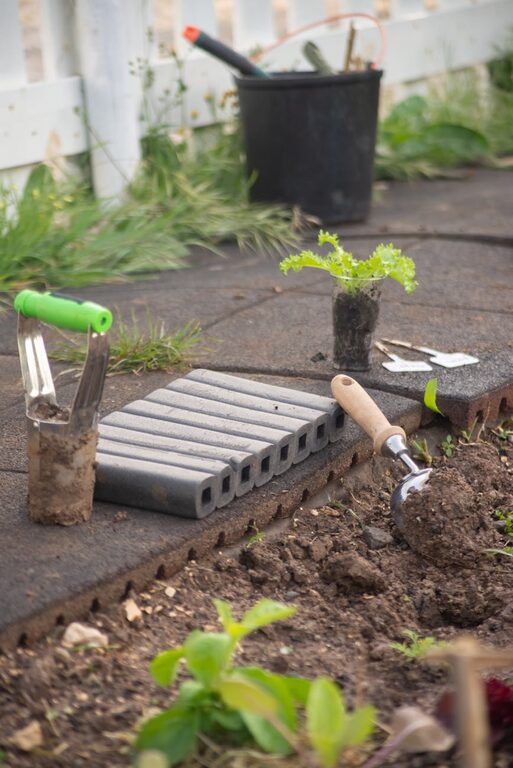
Starting a small vegetable garden at home can be a wonderful way to enjoy fresh produce, save money, and engage in a relaxing and rewarding hobby. Whether you have a spacious backyard or a modest balcony, growing your own vegetables is both achievable and enjoyable. This guide will walk you through the essential tips to help you create a thriving vegetable garden right at home.
Choosing the Right Location
One of the first steps in starting a vegetable garden is selecting the ideal spot. Most vegetable plants need plenty of sunlight to grow well—usually at least six hours of direct sun each day.
– Assess sunlight exposure: Observe your garden space throughout the day to find the sunniest area.
– Consider accessibility: Choose a spot close to a water source and easy to reach for daily care.
– Check soil quality: If using existing garden soil, check for good drainage and absence of debris or contaminants.
If outdoor space is limited, consider containers or raised beds on balconies or patios.
Planning Your Garden Layout
Planning helps ensure you use your space efficiently and that your plants get the care they need.
– Decide on garden size: Start small to make it manageable; a 3×3 metre plot is a good beginner size.
– Choose garden style: Options include traditional rows, raised beds, or container gardening.
– Group compatible plants: Plant vegetables with similar water and sunlight needs together for easier maintenance.
Use graph paper or online garden planning tools to sketch your layout before planting.
Selecting Vegetables to Grow
Select vegetables that suit your climate, space, and personal preferences. Beginners should consider fast-growing, low-maintenance varieties.
Easy Vegetables for Beginners
– Lettuce and salad greens: Quick to grow and harvest multiple times.
– Radishes: Ready to harvest in about 30 days.
– Tomatoes: Thrive in containers or in the ground with support.
– Beans: Produce high yields with minimal effort.
– Herbs: Basil, parsley, and chives are easy and useful.
Research what grows well in your local climate and season.
Preparing the Soil
Healthy soil is key to a successful vegetable garden.
– Clear the area: Remove weeds, grass, and stones.
– Loosen the soil: Turn the soil using a fork or spade to improve aeration.
– Add organic matter: Mix in compost or well-rotted manure to enrich nutrients.
– Check pH level: Most vegetables prefer slightly acidic to neutral soil (pH 6.0–7.0).
Good drainage is important; if your soil is heavy clay, consider creating raised beds.
Planting Your Vegetables
Planting at the right time and depth can affect plant growth considerably.
– Follow seed packets: Each type of vegetable has specific planting instructions.
– Space plants correctly: Crowded plants compete for nutrients and light.
– Water after planting: Keep soil moist but not waterlogged.
Consider starting some vegetables indoors before transplanting outdoors to get a head start on the season.
Caring for Your Garden
Regular care helps plants develop strong roots and produce well.
Watering
– Water deeply and less frequently rather than shallow watering daily.
– Aim to water early morning or late afternoon to reduce evaporation.
– Avoid wetting the leaves to prevent fungal diseases.
Feeding
– Use organic fertilisers or compost teas every few weeks to replenish nutrients.
– Avoid over-fertilising which can harm plants.
Weeding and Mulching
– Remove weeds promptly as they steal nutrients and water.
– Mulch around plants with straw, leaves, or garden bark to retain moisture and suppress weeds.
Pest Control
– Monitor plants regularly for pests like aphids or slugs.
– Use natural remedies such as neem oil, companion planting, or handpicking.
– Avoid harsh chemical pesticides, especially on edibles.
Harvesting and Enjoying Your Produce
Harvest vegetables when they reach their mature size for the best flavour.
– Pick frequently, especially leafy greens, to encourage continuous growth.
– Use clean, sharp scissors or knives to avoid damaging plants.
– Store harvested produce properly to maintain freshness.
Enjoy your homegrown vegetables in fresh salads, meals, or preserves.
Additional Tips for Success
– Keep a garden journal: Record planting dates, successes, and lessons learned.
– Start with easy crops: Build confidence before trying more demanding vegetables.
– Join a gardening community: Online forums and local groups provide great advice and support.
– Be patient and flexible: Gardening involves learning from trial and error.
Growing a small vegetable garden at home can be a delightful journey that enhances your meals and your wellbeing. With these tips, you are well on your way to cultivating a garden that will bring satisfaction and tasty rewards year after year. Happy gardening!
About the Author