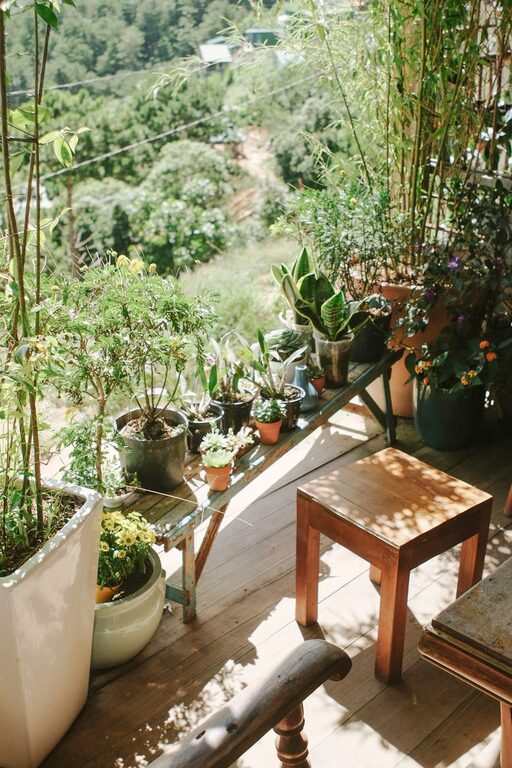
Creating a relaxing garden space at home doesn’t have to be complicated or costly. With just a few simple steps, you can design a tranquil outdoor area where you can escape the stresses of daily life and reconnect with nature. Whether you have a large backyard or a small balcony, adopting a few thoughtful ideas will help you achieve a peaceful garden retreat. In this post, we will explore practical tips on how to make your garden a calming and inviting space.
Why Create a Relaxing Garden Space?
Gardens offer a wonderful opportunity to enjoy fresh air, sunlight, and greenery, all of which can improve mood and wellbeing. A relaxing garden provides a break from screens and noise, encourages mindfulness, and invites you to slow down. Whether for reading, meditating, or simply sipping a cup of tea, your garden can become a sanctuary for rest and rejuvenation.
Start with a Clear Plan
Before digging or planting, it’s helpful to have a rough plan. Consider how you want to use the space and what elements you find calming. Ask yourself:
– Do I want a seating area or a hammock for relaxation?
– Would water features or wind chimes add tranquillity?
– Which parts of the garden receive the most sun and shade?
Sketching a simple layout will help you organise your ideas and make the best use of the space available.
Choose Comfortable and Inviting Seating
A comfortable spot to sit or lie down is essential for a relaxing garden. Depending on your space and style:
– Garden bench: A classic choice, offering a sturdy place to sit and enjoy the view.
– Deck chairs or loungers: Perfect for sunny spots, allowing you to recline.
– Hammocks or swings: Bring a playful, cozy feel and gentle movement.
– Pillows and cushions: Add softness and warmth to any seating.
Make sure the seating area is sheltered from the wind and has some shade, either from trees, umbrellas, or a pergola.
Incorporate Soothing Colours
Colours can have a great effect on mood. For relaxation, choose calming shades such as soft greens, blues, lavender, or pastels. You can incorporate these through:
– Plant selection (flowers or foliage)
– Garden furniture and cushions
– Decorative items like pots, lanterns, or garden art
Avoid overly bright or harsh colours that might feel too stimulating.
Use Plants that Promote Calm
Plants are the heart of any garden, and picking those known for their relaxing qualities creates a naturally soothing atmosphere. Consider:
– Lavender: Known for its fragrant, calming scent.
– Jasmine: Sweet-smelling flowers perfect for evenings.
– Chamomile: A gentle herb with a pleasant aroma.
– Ferns and grasses: Their soft textures add a gentle touch.
– Herbs like mint or rosemary: Easy to grow and give off fresh scents.
Mix textures, heights, and colours for visual interest, but keep the overall arrangement uncluttered to maintain calmness.
Add Water Features for Tranquillity
The sound of running water is deeply relaxing and excellent at masking unwanted noise. You don’t need a large pond to enjoy this element; small water features work well:
– Mini fountains or birdbaths
– Water bowls with floating candles
– Simple trickling pumps in decorative containers
Place water features near seating areas so you can enjoy the soothing sounds.
Create Privacy and Shade
Privacy helps you feel safe and fully relaxed in your garden. To create a secluded spot:
– Plant hedges or tall shrubs along boundary lines.
– Install trellises with climbing plants like ivy or clematis.
– Use outdoor screens or bamboo fencing.
– Position seating areas under trees or shade sails.
A combination of shade and privacy will also protect you from the sun during warmer days.
Use Soft Lighting for Evenings
A relaxing garden space doesn’t have to end when the sun sets. Soft, warm lighting creates a cosy ambiance for evening relaxation:
– String fairy lights or lanterns along fences or pergolas.
– Place solar or battery-operated lights along walkways.
– Use candles or LED tealights in jars or holders.
Avoid harsh or bright lights that disrupt the peaceful mood.
Incorporate Natural Materials and Textures
Natural materials blend harmoniously with plants and create a calming environment. Some ideas include:
– Wooden benches, decking, or garden huts.
– Stone pathways or gravel beds.
– Wicker or rattan furniture.
– Soft outdoor rugs made from natural fibres.
These elements enhance the organic feel and invite you to connect more deeply with the outdoors.
Keep It Simple and Clutter-Free
One of the most important aspects of a relaxing garden is simplicity. Avoid overcrowding the space with too many decorations or plants. Instead:
– Choose a few key features to focus on.
– Maintain tidy borders and pathways.
– Regularly prune plants and clear dead leaves.
– Store gardening tools out of sight.
A clean and uncluttered garden feels more peaceful and welcoming.
Add Personal Touches
Finally, make the space your own by adding items that bring you joy:
– A favourite book on a small table.
– A wind chime that sounds delightful to you.
– A bird feeder to attract wildlife.
– Colourful pots or mosaics created by you or family members.
These personalised details turn your garden into a true refuge.
Maintenance Tips for a Relaxing Garden
Relaxation happens more easily when your garden feels cared for but not demanding. To keep your peaceful space thriving:
– Water plants regularly, especially in summer.
– Remove weeds to reduce stress and maintain appearance.
– Use mulch to retain moisture and keep soil healthy.
– Schedule light pruning and deadheading to encourage growth.
Regular, simple maintenance prevents the garden from becoming overgrown or untidy.
Conclusion
Creating a relaxing garden space at home is about designing a peaceful environment that nurtures your wellbeing. By combining comfortable seating, soothing colours, calming plants, soft lighting, and a clutter-free layout, you can craft a lovely outdoor retreat. With a bit of thoughtful planning and regular care, your garden will become a favourite place to unwind and enjoy nature’s calming influence every day.
About the Author